



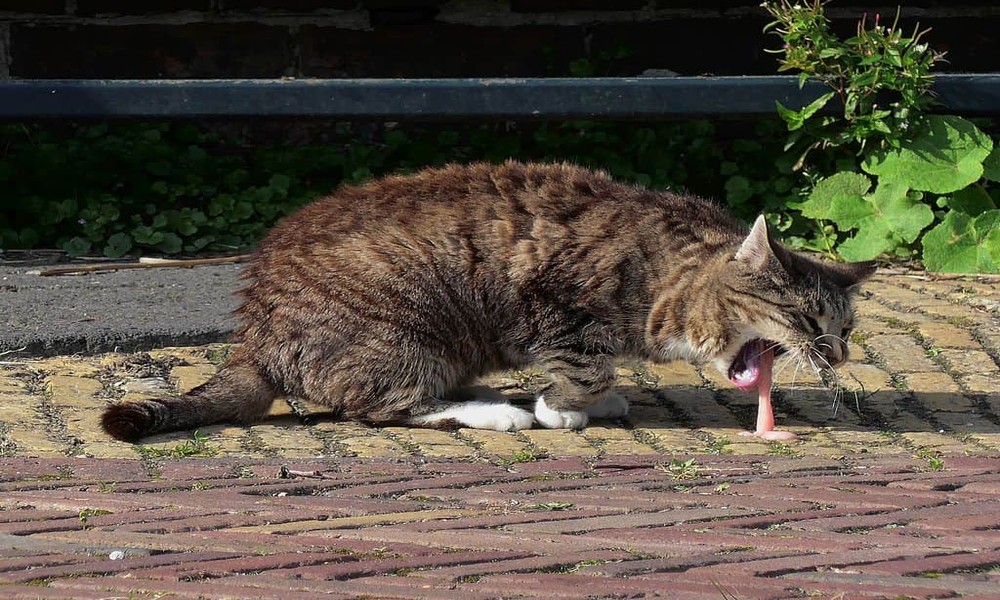
Not all cat vomiting is a serious condition. There are reasons why a cat vomits. This is what a pet owner must learn.
Gastrointestinal obstruction is a primary health condition that is a problematic hairball condition. Throwing up a hairball is a part of the cat’s self-grooming. It helps them by giving them cat vomiting food (貓咪吐飼料). There are reasons why cats vomit, aside from throwing up hairballs.
Reasons why a cat vomits
Cats are tidy roommates. A notable exception is vomiting. Why is a cat throwing up? Vomiting caused by several factors, such as:
- hairballs
- food sensitivity
- infections
- other diseases
Cat vomiting falls into two categories:
- Chronic vomiting
- Acute vomiting
You must understand what is behind your cat’s symptoms.
Causes of cats’ vomiting
It is common in cats to vomit. Vomiting caused by conditions that are:
- sudden
- short term (acute)
- long term (chronic)
No vomiting is considered normal. Some cats are prone to occasional episodes of vomiting compared to others. The causes of cat vomiting are:
- Eating too quickly
- Hairballs
- Ingesting foreign material
- Upset stomach
- Ingestion to toxins or poisons
- Internal diseases
- Overactive thyroid gland
- Digestive disorders
- Overactive thyroid gland
- Food allergy
- Internal parasites Infection
- Cancer
- Diabetes mellitus
Cat vomit color chart
The consistency and color of cat vomit help a veterinarian determine:
- causes
- treatment plan
Recording the appearance of the cat vomit helps the vet diagnose the problem. A pet owner can share this record to the vet to give an idea about their health condition.
Yellow vomit
Bile causes greenish-yellow or bright yellow vomit. It can be from:
- empty stomach
- underlying digestive or internal issue
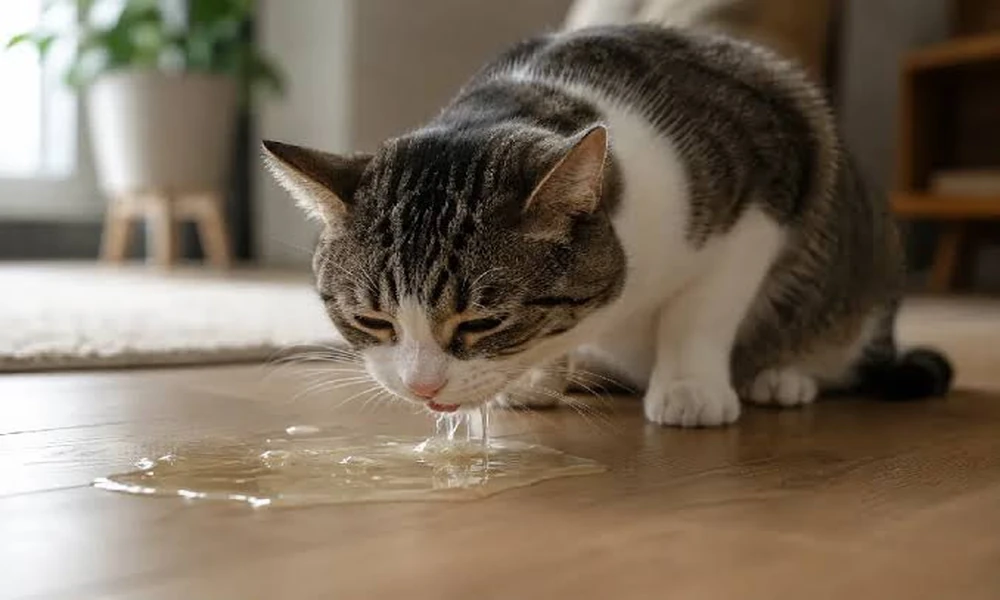
Clear or white vomit
A clear vomit can be from:
- water in the cat’s stomach
- empty stomach
- stomach irritation
You will see that it has a foamy appearance.
Brown vomit
Brown vomit can be from:
- color of the cat’s undigested food
- food mixed with bile
- bleeding in the upper digestive tract
- obstruction of the digestive tract
Bloody vomit
Bloody vomit indicates bleeding from:
- mouth
- esophagus
- stomach
It ranges from light pink to dark brown. The texture may be slimy or gel-like.
Black vomit
The black vomit is from the digestive tract that is digested. It is seen with:
- inflammation
- bleeding ulcer
- obstruction
Vomit with undigested food!
The food never left the cat’s stomach and was regurgitated. It indicates an obstruction.
How to prevent a cat from vomiting?
Vomiting depends on the cause. There are some steps pet owners take at home to prevent future episodes.
Grooming
Keeping cats well-groomed reduces the incidence of hairballs. Brushing the cat daily removes loose hairs and it prevents matting.
Foreign object care
You can avoid intestinal obstruction to your cat by inspecting their toys. You must discard anything that can be swallowed. Never let your cats play with:
- yarn
- string
- rubber bands
- holiday tinsel
These objects can get stuck in the intestines. This causes blockage.
Diet
You should avoid offering human foods or switching cat foods if your cat has a sensitive stomach. The cat’s digestive tract operates on one type of food. The episodes of vomiting are decreased by keeping a consistent diet.
Routine veterinary care
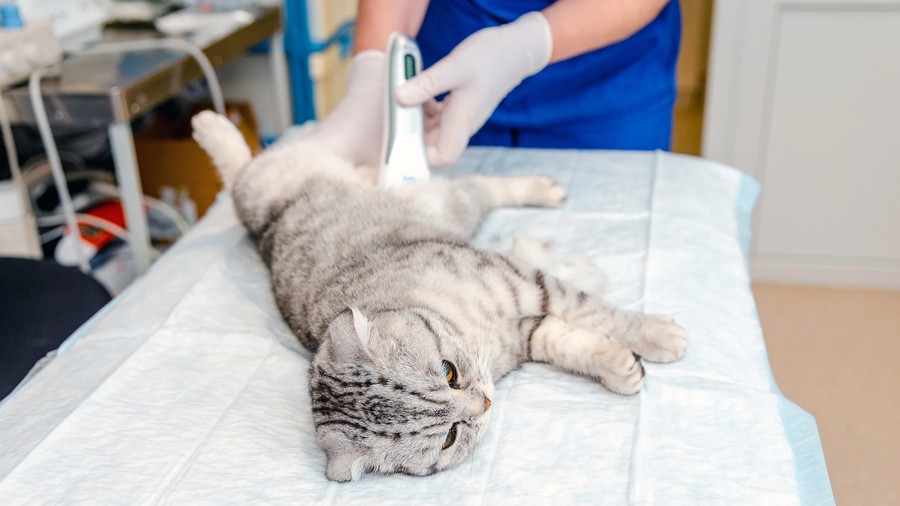
Health issues are discovered when you regularly visit a vet. An annual visit with routine blood screening works to identify some chronic causes of vomiting. This helps prevent the condition from worsening.
Parasite prevention
A yearly parasite prevention is important for cats.
FAQs
What indicates cat vomiting?
Cat vomiting after eating indicates:
Why do vomiting cats still act normal?
A cat vomits for different reasons. Some cause non-serious symptoms, while others are benign. Cats vomit yet act normal after for some reasons: