



Your dog or cat may be a candidate for CGM if spot checks seem erratic, lows appear suddenly, clinic curves don’t match home signs, testing causes major stress, or your vet needs clearer insulin data. A CGM tracks interstitial glucose frequently, shows trends and rate of change, and can reveal post-meal highs, rapid drops, or insulin timing issues. Your vet may still confirm urgent lows with blood testing, and the signs below can guide your next step.
Sign 1: A Pet CGM Could Clarify Glucose Swings
If your dog or cat’s spot-check glucose readings seem “all over the place,” a pet CGM can help your vet see the pattern behind those swings instead of reacting to isolated numbers. A continuous glucose monitor (CGM) sits on the skin and samples interstitial glucose frequently, turning scattered spot-check blood glucose results into actionable glucose trends. Glucose swings may reflect post-meal glucose highs, insulin timing, stress, activity, or unrecognized glucose lows. Instead of relying on a few blood glucose readings, your vet can review several days of data, including time in range, to assess insulin onset, peak effect, and duration. If you’re adjusting doses, CGM data helps verify the response across the full dosing interval before you change again, reducing overcorrection risk today.
Sign 2: CGM Can Catch Lows Before They Escalate
Watch the rate of change, not just the number: a CGM can warn you and your vet when your pet’s glucose is dropping quickly before it reaches a dangerous low. For diabetic pets, that early signal can prevent hypoglycemia from escalating into tremors, weakness, seizures, or collapse. A continuous glucose monitor often updates every 1–5 minutes, using trend arrows and slope data to show rapid declines that occasional blood glucose monitoring may miss. With continuous glucose monitoring (CGM), you can identify recurring low-blood-glucose risk windows, often overnight or after insulin and meals. Because low-range accuracy matters, your vet may ask you to confirm urgent CGM alerts with capillary blood samples. This approach strengthens diabetes management, supports faster intervention, and helps you protect your pet with confidence.
Sign 3: Clinic Curves Don’t Match Home Signs
After low-glucose warning signs, another red flag is a mismatch between your pet’s clinic glucose curve and what you’re seeing at home. If tremors, twitching, vision trouble, collapse, or seizures appear, yet traditional blood glucose checks look stable, you may be missing rapid drops or nighttime lows.
Travel and handling can trigger stress hyperglycemia, making your dog’s or cat’s glucose levels appear higher in clinic than they are at home. A continuous glucose monitor (CGM) can help reconcile unexpected readings with home symptoms. With a sensor inserted under the skin, CGM measures interstitial glucose every 1–5 minutes and shows onset, peak, duration, and trend arrows. Although values can lag during fast changes, the pattern often reveals what spot checks miss and supports smarter insulin decisions.
Sign 4: Home Glucose Testing Is Too Stressful
A stressed pet can turn home glucose testing into a struggle that leads to skipped checks, unreliable timing, or stress-related glucose spikes. If ear, paw pad, or inner lip blood samples make your pet fearful, frequent blood draws can also contribute to pet stress hyperglycemia and harder-to-interpret numbers. A continuous glucose monitor (CGM) offers a less invasive upgrade for glucose monitoring for diabetic dogs and cats.
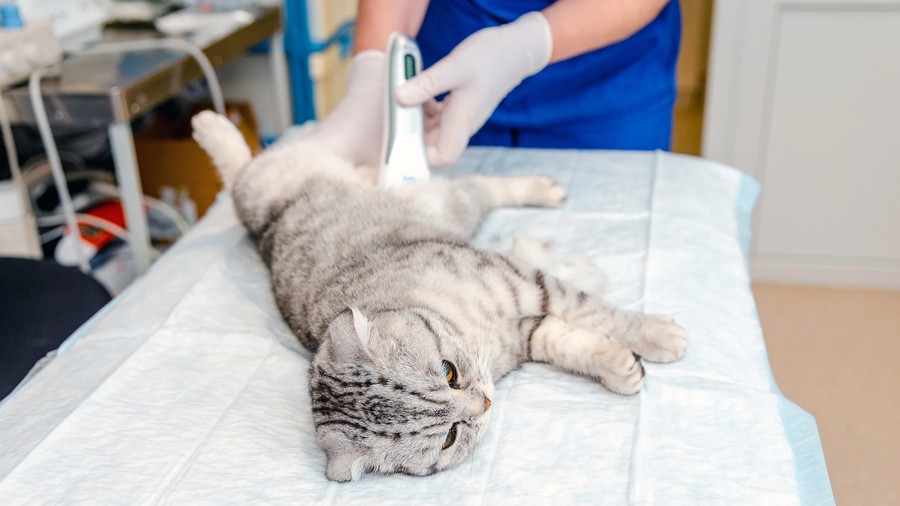
With systems such as FreeStyle Libre, your veterinarian places a small sensor on your cat’s or dog’s skin. It measures interstitial glucose every 1–5 minutes for about 7–15 days, depending on the device. You scan or sync with a reader or smartphone to follow trends, not just single spot values. Ask your veterinarian if CGM wear fits your household.
Sign 5: Your Vet Needs Better Insulin Data
Even when testing isn’t stressful, your veterinarian may still need more complete insulin data than spot checks can provide. If insulin adjustments depend on spot blood glucose checks, a continuous glucose monitor (CGM) can show whether your pet’s problem is onset, peak, or duration. CGM Sensors collect near-real-time interstitial readings, often every 1–15 minutes, giving veterinary medicine a clearer view than clinic-only glucose curves.
This matters when meals, exercise, or stress make your dog’s blood sugar levels hard to interpret. Trend arrows, time-in-range data, and multi-day monitoring can flag rapid drops or impending hypoglycemia before one number looks dangerous. If symptoms don’t match readings, CGM review helps your vet connect clinical signs with glucose dynamics, refine the treatment plan, and manage diabetes in pets with smaller, safer dosing changes.
Frequently Asked Questions
What Dog Breed Is Most Likely to Have Diabetes?
Miniature Schnauzers often top diabetes lists; Mini Schnauzer prevalence reflects breed-specific genetics plus metabolic traits. You’ll also see Dachshund diabetes, Labrador predisposition, and Golden Retriever risk reported, but rankings vary by region. You shouldn’t blame breed alone: Age-related likelihood, Gender influence, Poodle body condition, Obesity diabetes link, and spayed/neutered effects all matter. If your at-risk dog shows variability, ask your vet about data-driven monitoring like CGM.
Can You Use a CGM on a Dog?
Yes, you can use a CGM on a dog. Different CGM sensors vary in dog fitment, calibration needs, glucose lag times, target ranges, and lifespan. Your vet places it on the neck, shoulder, or thorax, then helps you interpret trends, confirm mismatched readings with blood glucose, prevent skin irritation, and manage alarm fatigue. Ask about cost and logistics, adhesive plans, replacement timing, and vet technician training to keep data reliable.
Will Insurance Pay for a Diabetic Alert Dog?
Usually, you won’t get insurance coverage for diabetic alert options, because insurers often classify them as optional technology, not treatment. Review policy exclusions, cost considerations, and coverage limitations. If diabetes wasn’t preexisting, ask about medical eligibility, prior authorization, documentation requirements, reimbursement timelines, and whether sensors are covered. A veterinarian referral and prescription can support your claim, but approval varies by plan. Confirm details before buying.
Do Dogs Lick You if You Have Diabetes?
Yes—your dog may give “extra kisses” if you have diabetes. Licking and hypoglycemia can overlap, but licking isn’t a reliable scent-detection behavior. Treat Dog intuition signals as prompts for Blood sugar awareness, not proof. For safety, after licking, check glucose and follow your plan. Call your clinician for Other diabetes warning signs; know when to call your vet for obsessive licking. Training for alerts helps prevent mistaken cues; Cat versus dog instincts differ.
Conclusion
A CGM isn’t for every diabetic dog or cat, but the theory is sound: more real-world glucose data can reveal patterns a single clinic curve may miss. If you’re seeing swings, suspected lows, confusing symptoms, testing stress, or uncertain insulin response, you’ve got good reasons to ask your vet about it. Together, you can use CGM data to adjust care more safely, reduce guesswork, and help your pet feel steadier day to day.