

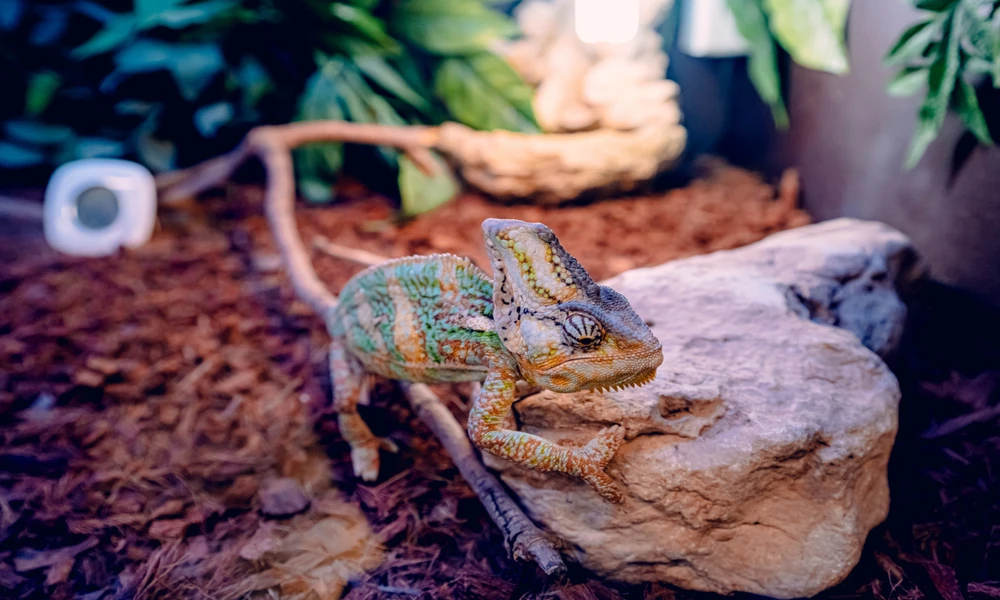

A bioactive terrarium can create a more natural and enriching environment for tropical reptiles, amphibians, and invertebrates. Unlike a simple enclosure with a replaceable bedding layer, a bioactive setup uses a living ecosystem. Plants, microorganisms, and cleanup-crew animals work together to break down organic waste and maintain the habitat.
One of the most important parts of this ecosystem is the substrate. A good substrate provides drainage, supports plant roots, holds appropriate moisture, and creates a comfortable environment for your pet.
However, the best substrate depends on the species, humidity requirements, and enclosure design. Here is how to approach the creation of a suitable bioactive substrate for tropical pets.
Understand your pet’s requirements
Before mixing anything, research your pet’s specific environmental needs. Tropical species can have very different requirements, even when they come from similar habitats.
Consider the animal’s preferred humidity, burrowing behavior, temperature, and natural environment. A terrestrial frog may need a different substrate than a climbing gecko, while a burrowing reptile may require a deeper and more supportive layer.
Your substrate should support the animal’s needs rather than simply copying a generic tropical mix.
Start with a drainage layer
A drainage layer is commonly used in tropical bioactive terrariums to prevent excess water from accumulating in the main substrate. Materials such as expanded clay balls can create a space where excess water collects beneath the soil layer.
This is particularly useful in humid enclosures where frequent misting or watering is necessary. Standing water inside the substrate can create excessively wet conditions and contribute to unpleasant odors or other problems.
A separator layer, such as suitable mesh, can help keep the soil from mixing into the drainage layer.
Add coco coir peat
Coco coir peat is made from coconut fiber and is widely used in horticulture and terrarium setups. It is lightweight, absorbs moisture, and can help maintain humidity in tropical enclosures.
When properly prepared, quality coco coir peat can form part of a loose substrate that supports plants and allows roots to develop. It also blends well with other organic materials.
Avoid relying on coco coir alone, however. A bioactive substrate benefits from a mixture of materials that provide different properties, including structure, drainage, moisture retention, and organic content.
Mix in organic components
Leaf litter, pesticide-free soil, and other appropriate organic materials can add structure and nutrients to a bioactive substrate. Leaf litter is particularly useful because it gradually breaks down, providing food for microorganisms and cleanup-crew organisms.
Some keepers also include materials such as sphagnum moss or finely processed wood products, depending on the enclosure’s needs.
Make sure every material is free from chemicals, fertilizers, pesticides, and other substances that could harm your pet or the microorganisms living in the enclosure.
Add a cleanup crew
A bioactive terrarium needs organisms that help break down organic waste. Springtails and appropriate species of isopods are commonly used as cleanup-crew animals.
These small organisms consume decaying organic matter and help process waste within the substrate. They work alongside microorganisms to support the natural cycle of decomposition.
Introduce a suitable cleanup crew before adding your pet when possible. This gives the population time to establish itself and begin adapting to the enclosure.
Include leaf litter
A healthy layer of leaf litter is an important part of many tropical bioactive setups. It provides shelter for cleanup-crew organisms and gradually becomes a source of organic material as it decomposes.
Choose leaves that are safe for your particular species and have not been exposed to pesticides or pollutants. Replace or supplement the leaf litter as it breaks down.
The result should resemble a natural forest floor rather than a perfectly clean layer of soil.
Maintain the right moisture level
Tropical terrariums generally require consistent humidity, but the substrate should not remain saturated. Too much moisture can create poor conditions for roots and microorganisms.
Check the substrate regularly rather than relying only on a humidity gauge. The lower layers may hold more moisture than the surface, particularly when a drainage layer is present.
Your ventilation, misting schedule, enclosure size, and substrate depth all influence moisture levels.
Monitor and maintain the ecosystem
A bioactive setup still requires maintenance. Remove uneaten food, monitor plant health, replenish leaf litter, and check the substrate for unusual odors or excessive moisture.
You should also monitor temperature and humidity according to your pet’s specific requirements. A bioactive enclosure reduces the need for routine cleaning but does not eliminate the need for responsible husbandry.
Final Thoughts
Creating a successful bioactive terrarium requires more than combining a few ingredients. The substrate needs to support your pet, plants, microorganisms, and cleanup crew as part of one functioning environment.
With suitable drainage, moisture management, plants, and cleanup organisms, a well-planned bioactive substrate can help create a healthy and engaging miniature ecosystem.